A night alone in the majestic Sierra Nevada Mountains, lying outside under so many bright stars on a dark night, maybe this is the stuff that dreams are made on.
'We are such stuff as dreams are made on ... and our little life is rounded with sleep". Prospero. - Shakespeare
True enough, we are all such stuff, but we are not all Prospero commanding the elemental powers. Instead we gaze into the intangible celestial characters of changing sky scapes moved not by us, but by the collective winds.
Prospero not only grasps the elemental drama itself, but understands the power such drama wields to keep us energizing the storms, the tempests of our own making.

We all have our parts to play, true enough. The work of the thespian, the player, is to remain distinct from the character. We come to the theater and we are sometimes on stage, sometimes the audience. From our observer seats we are able to watch the show and learn from the rise and fall of the cast of characters. If we astutely critique the performances of others we may effectely shape and cultivate our own ...character. And thus improve our own performance on the world stage.
Each passing season we wearily witness the feigned passions of actors. As we age with the coming and going of various drama we eventually grasp that the theater is a business, a racket, a puppet show. Scripts get revised, past characters rewritten. Players come and go. And behind the scenes and sets the theater owners are already planning the next 5 seasons.
Slowly it dawns that the staged events and productions are attempts to work the magic and draw the attention of the audience into the live performance. For a while, while we are young, we get sucked in to the shows. We are amused by the jokers and cry for the underdog. Engaging with the players all the while being played. All the world's a stage, but maybe this is -As We Like It.
But to study the great works as did Prospero,
or to practice as Paracelsus in the alchemical lab next door to the theater, is to dispel the spell of the cast. Unveiing the players behind the curtains streaming the constant flow to the theater goers. The channels of scripted confusion overflow. Back stage the crew watches the audience boiling over and burning with rage at the unbelievable scene on this weeks stage. The collective tensions rise to the back drop of smoke and mirrors which multiply and merge the cloudy thought forms into a coming storm.
And the tempest is formed.
If we focus on the stage we surrender to the surreal. We remain subject to the winds of the lords of subjection.

This ageless work of Shakespeare, -The Tempest, teaches the alchemical process outside the theater walls. The bard weaves the magic of a story for our pleasure or study. But distilling the essence is an inside job.

Evidence shows this play was written in 1610, and was one of the last of the Shakespearian tales, performed in those days of turbulence and terrors.
Prospero or Caliban, master or subject?

Caliban and Ariel represent the elemental beings of the occult. Or, elements of nature.
Earth, Caliban and Air, Ariel are opposite elements in our microcosm of the below. Water and Earth flow down, fall down, are heavy, condensed, primordial matter -the limbus of Paracelsus, -the Fall of Adam & Eve? Descend-ancy into the lies.
Fire and Air are light, expansive, vaporous, disintegrative, rising upward. Ascendancy.
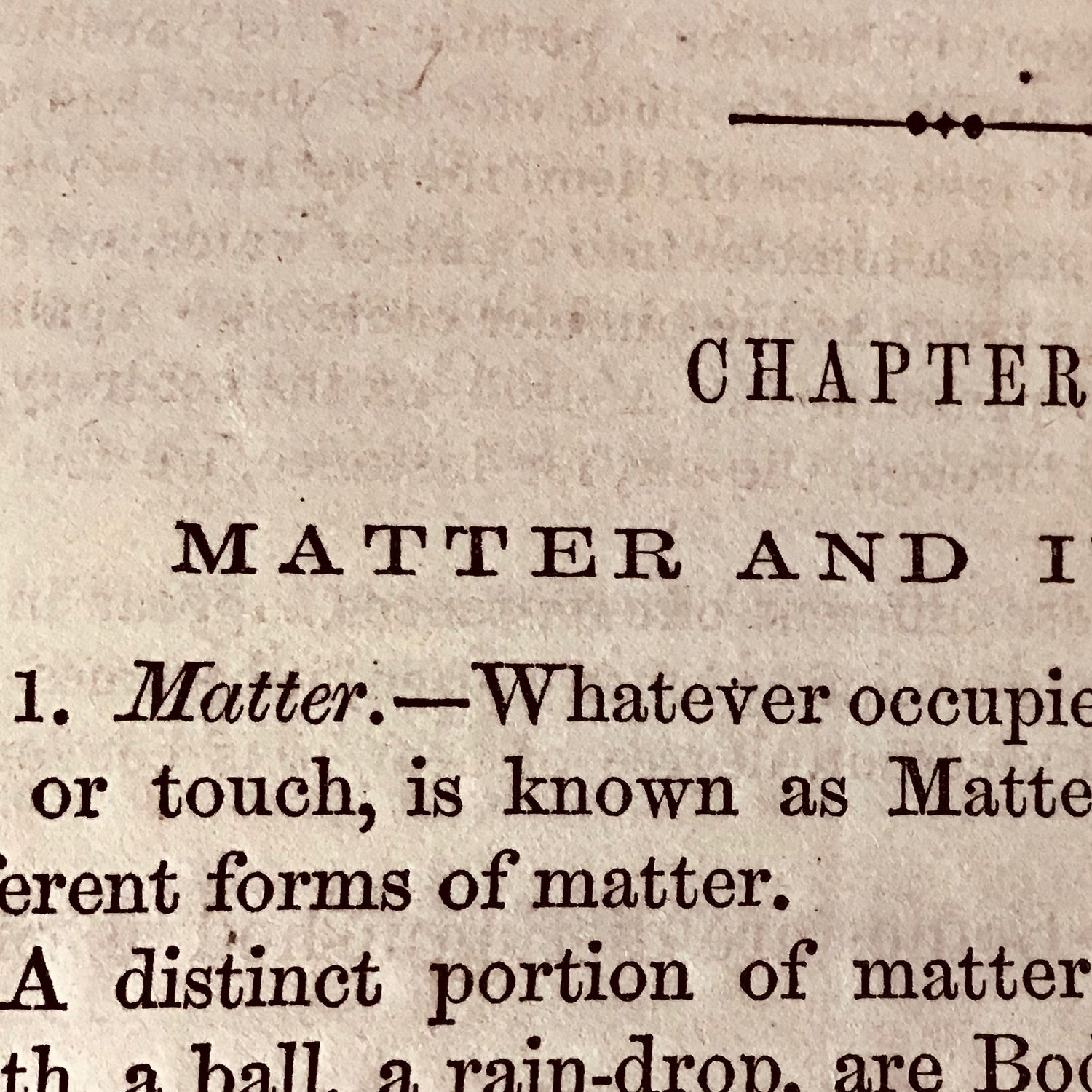
The analytical description by Coleridge, shown in the photo above, describes Caliban as -
'all earth, all condensed, and gross in feelings and images; the dawnings of understanding without reason or moral sense, and in him.... this advance to the intellectual faculties, without the moral sense, is marked by the appearance of vice'
This describes matter, and the material world where evolution may be a magic, perhaps as opposed to intellect. The intellectual magic can enslave in SMART ways. Releasing or freeing the spirit may soar the intellect higher. Binding the spirit is a trapping of the intellect into the material dimension, to become artificial.
Gervinus' description [shown below] analyzes Ariel, the airy spirit, as -
'grace, tenderness, speed and especially freedom and lightness... the other spirits [elementals] hate the magician, yet are compelled to serve him... Ariel obeys him thankfully and truly, without lies, without mistakes... for this, his perfect freedom, his all, is promised him within a certain time,.. his lord [Prospero] will miss him when he has given him his freedom; ... but he, the airy creature, will feel no longing after his dear master, whom he only seems to love for the sake of his promised freedom. - --

Two centuries after Shakespeare Gervinus, 1805 -1871, was a distilling mind who devoted himself to the study of Shakespeare for a time, and produced his great literary work in four volumes - 1849, 1850.
The analysis of Ariel is wonderful. To the synopsis shown in the photo above I can add that it is to participate as Ariel, in the airy spirit of rising above the valley dweller, that is the alchemist's work of distilling the essence of the below. The valley of the Caliban is perhaps the antipode to Eden. Maybe in Eden, the above, fear would be non existent. If we view the serpent's offer to Eve, to partake of the fruit of the tree of knowledge, as an offer of an experience it makes more sense. In my recollections of the biblical story of the Garden of Eden, in the garden there would not have been the five senses. So to take a bite of the apple would be to venture a taste of, -a sensory experience.
And who doesn't want to lie d o w n after a heavy meal. At the end of the day, every day, we are too full of sensory overload, so at night we lie down to sleep. In the morning we rise and hopefully shine. The day and night of the world of polarity is the on and off switch to our senes. Maybe Eve goes home, back to Eden at night, and goes to work in the material world each day.
Point is, the material realm is the descent into the dense, requiring a vehicle for travel into the dimension of integration of sensory experience. And when we have done our work, or wasted our days, we distill our experience with thought and reflection. We get out of our body and into a bath, a bed, a meditation, or a zone. We digest the days events, take in the soul food and hopefully eliminate all that is not needed, not wanted, not useful....This is the daily cycle of energy, the chain reaction, fission and fusion.
Ariel, the air spirit, has eliminated more and more of the dense daily.,
" grace, tenderness, speed and especially freedom and lightness"...
Gervinus' words applied to the elemental Ariel. As the air spirit evolves the master releases.
The earth elemental is taking it all in. But holding on. Adding it on. The hot air balloon is anchored to earth by the ballast. The Caliban, "he is all earth".
So we see several things.
The magician is the alchemist, the distiller of the elemental forces. But to distill the essence from matter is to disintegrate it, to release its binding form from gravity and allow it to rise above. Alchemists transform the material essence into something higher, or release the essence to freedom above.
Gervinus said the other spirits [elementals] hate the magician, -why? Because the alchemists' process will disintegrate, evaporate them. Ariel, the airy spirit, has already been transformed thus, and no longer fears what it has experienced .
The denser elementals, -are compelled to serve the magician - why? Because they fear him. It is their own ignorance, it is what they do not know that controls them. This ignorance is the gravity, the force, that binds the elementals into slavery. The magician, Prospero, merely plays on their fear in a resonate tune.
The love of the material is an adolescent infatuation, which once realized may still weigh us down until we release our self completely from the trappings.
Sometimes we allow ourselves to be subjugated insideour own Tempest performance when we surrender our power of attention, too often, to the outside affairs of the valley dwellers.
The show must go on until we see ourselves in the lunacy here.
Until we recognize the prison,
or is release what we fear?